Navigating the Tech Bubble: Ai Strategies for Medical Billing Companies

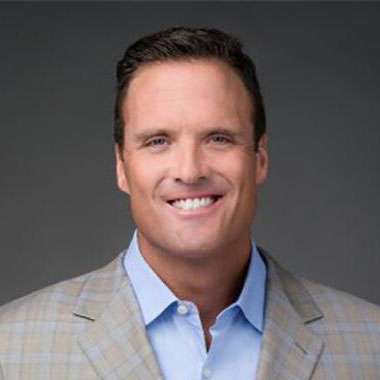
About Matt Seefeld

Matt Seefeld, Chief Executive Officer at MedEvolve, brings over 24 years of management consulting experience in the healthcare industry. He has extensive expertise in the assessment, design and implementation of process improvement programs and technology development across the entire revenue cycle. Matt began his career with Stockamp & Associates, Inc. and worked for both PricewaterhouseCoopers LLP and Deloitte Consulting LLP in their healthcare and life sciences practice lines. In 2007, he developed a business intelligence solution and founded Interpoint Partners, LLC, where he served as Chairman and Chief Executive Officer. In 2011, he sold his business to Streamline Health Solutions where he then served as Chief Strategist of Revenue Cycle followed by Senior Vice President of Solutions Strategy until 2014. Matt ran global sales for NantHealth and provided consulting services for healthcare technology and service businesses nationwide, prior to joining MedEvolve full-time.

Read more articles from Matt >>

Related Posts

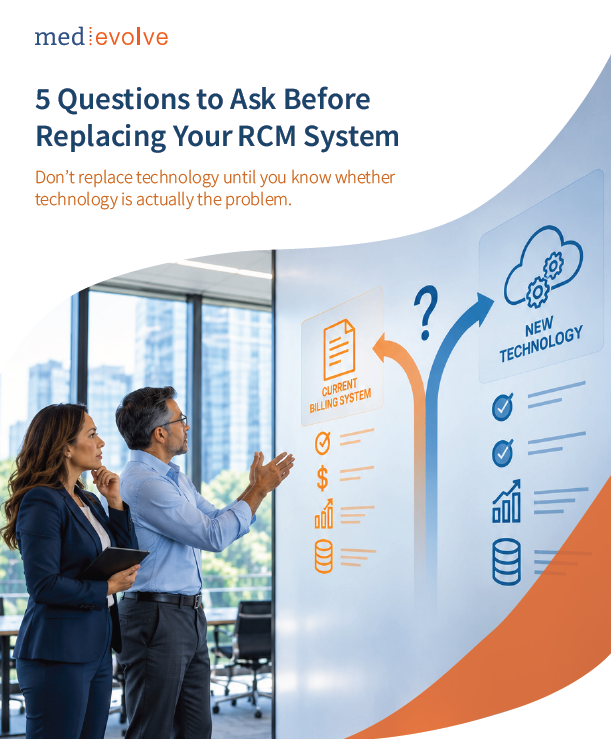
Five questions to ask before replacing your RCM system – no form

In this guide, we break down why denial rate stops being useful once a team is already hitting it and what to track instead. You’ll see how a claim that’s never denied can still take six touches and multiple people to get paid, why the industry’s own denial-touch benchmark is missed by a factor of three, and how one ambulatory surgery center management company cut denials 18% and labor dependence 30% by treating claims, denials, and cost as one connected problem.

Read More »

Five questions to ask before replacing your RCM system

In this guide, we break down why denial rate stops being useful once a team is already hitting it and what to track instead. You’ll see how a claim that’s never denied can still take six touches and multiple people to get paid, why the industry’s own denial-touch benchmark is missed by a factor of three, and how one ambulatory surgery center management company cut denials 18% and labor dependence 30% by treating claims, denials, and cost as one connected problem.

Read More »

Why Cost Per Successful Payment Should Replace Denial Rate

In this guide, we break down why denial rate stops being useful once a team is already hitting it and what to track instead. You’ll see how a claim that’s never denied can still take six touches and multiple people to get paid, why the industry’s own denial-touch benchmark is missed by a factor of three, and how one ambulatory surgery center management company cut denials 18% and labor dependence 30% by treating claims, denials, and cost as one connected problem.

Read More »

Why “Cost Per Successful Payment” Should Replace “Denial Rate” – no form

A team can spend 40 hours resolving 200 claims, watch 180 of them pay, and still report a comfortable 8 percent denial rate. That number doesn’t tell you what it cost to get there.

In this guide, we break down why denial rate stops being useful once a team is already hitting it and what to track instead. You’ll see how a claim that’s never denied can still take six touches and multiple people to get paid, why the industry’s own denial-touch benchmark is missed by a factor of three, and how one ambulatory surgery center management company cut denials 18% and labor dependence 30% by treating claims, denials, and cost as one connected problem.

Read More »

Reduce RCM labor dependence with financial clearance, insurance A/R, & patient A/R automation modules with real-time analytics.

Increase productivity and simplify front & back office processes while keeping your staff focused with our flagship PM system.

Recent Posts